The Homes We Build Are Building Us: Why Architecture Is the Soul of Society
The homes we build aren't just structures — they're where life happens, communities form, and futures take shape. Architecture is the soul of society because it reflects our values and aspirations. At BBIMCO, we're building more than buildings — we're building Cameroon's future with integrity, innovation, and purpose. 🏗️🌍
Acho Chi Louis-win
2/19/20262 min read
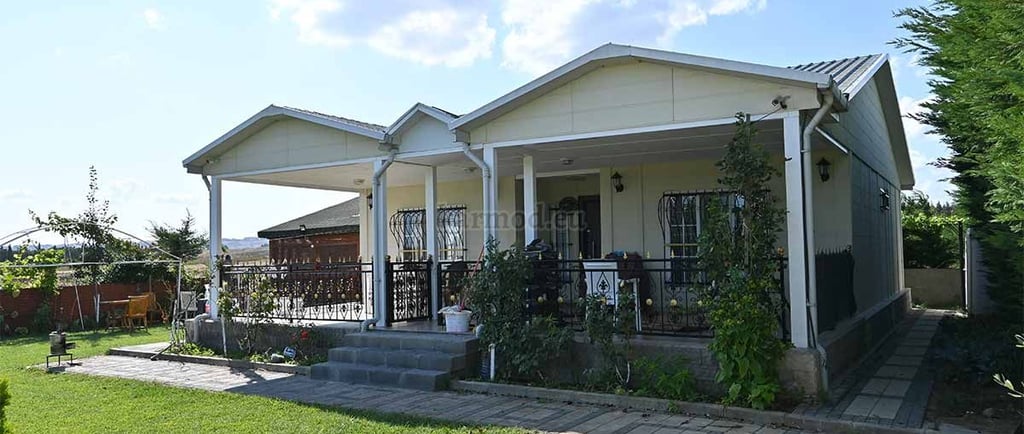
The Homes We Build Are Building Us: Why Architecture Is the Soul of Society
Across generations, Africans have understood something the modern world is slowly rediscovering — a home is never just a structure. It is memory. It is identity. It is culture made physical.
Today, however, as cities expand and modernization accelerates, many communities are beginning to feel an invisible loss. Our buildings are becoming stronger, taller, and more technologically advanced, yet our connection to them is becoming weaker. Many modern homes are efficient, but they often feel emotionally empty.
This raises an important question: Are we shaping our environment, or is our environment shaping us?
Architecture as a Cultural Mirror
Historically, African architecture reflected the values of community, family unity, and harmony with nature. Family compounds were designed to bring generations together. Courtyards encouraged daily interaction. Gardens and fruit trees symbolized life, nourishment, and sustainability.
Homes were not designed for individuals alone. They were designed for collective living and cultural continuity. Architecture quietly taught social values, strengthened relationships, and preserved traditions. In many ways, architecture acted as a silent educator.
The Psychological Power of Environment
Modern research confirms what traditional societies already understood: our environment directly influences our behavior, mindset, and emotional well-being.
Spaces designed with natural light, greenery, and communal interaction improve mental health, creativity, and social connection. On the other hand, environments built without consideration for human emotional needs can increase stress, isolation, and disconnection
When cities are designed only for efficiency and density, people often lose their sense of belonging. When homes become purely functional spaces, families begin to lose emotional attachment to the places they live. Over time, this shift affects entire communities
The Risk of Losing Architectural Identity
Across many African cities today, modernization is creating uniform building styles that look similar regardless of location. While progress is necessary, cultural uniqueness is slowly fading.
When architectural identity disappears, communities risk losing historical memory. Younger generations grow up without strong connections to family heritage or cultural spaces. The physical reminders of history begin to disappear.
Architecture is not just about preserving buildings. It is about preserving identity.
The Future Is Not Tradition or Modernization — It Is Both
Progress should not erase heritage. The future of African development must combine innovation with cultural preservation. Modern homes can integrate smart technology while maintaining traditional layouts that encourage family interaction. Sustainable construction can incorporate natural landscaping that reconnects people with their environment. Contemporary architecture can still reflect cultural symbolism and storytelling.
True development does not replace identity. It evolves it.
BBIMCO’s Vision: Building Culture, Not Just Structures
At BBIMCO, we believe construction is not only about creating buildings. It is about shaping environments that support emotional well-being, preserve heritage, and strengthen community identity.
Our mission is to bridge the past and the future — using architecture and urban development to create spaces where modern living and cultural roots coexist.
Because the homes we build today will shape the society we become tomorrow.